
What Are Labeling Machine Spare Parts? Types & Functions
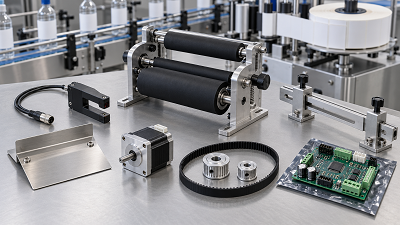
Labeling Machine Spare Parts are the mechanical, electrical, and control components used to assemble, operate, maintain, and repair labeling equipment. These parts work together to feed labels, detect products, control positioning, apply labels, and transfer finished products through packaging lines.
They are essential for automatic labeling machines, bottle labeling systems, wrap-around labeling equipment, and other industrial packaging machinery. For labeling machine manufacturers, packaging factories, and equipment maintenance teams, understanding different labeling machine components helps improve equipment maintenance and spare parts procurement.
This guide introduces the main types of labeling machine spare parts, their functions, common applications, and important considerations when sourcing replacement components.
1. What Are the Main Components of a Labeling Machine?
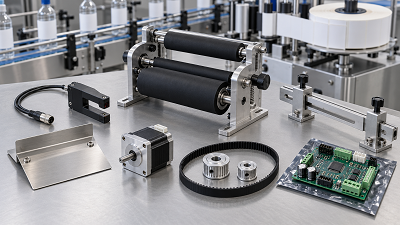
A labeling machine typically consists of several functional systems. Each system contains different components that work together to complete the labeling process.
Label Feeding System
The label feeding system supplies labels to the application section. Depending on the machine design, it may include label holders, feeding rollers, guide rollers, tension control components, and label sensors.
These components help maintain stable label movement and reduce feeding problems during operation.
Label Application System
The application system transfers labels onto products or containers. Common components include labeling heads, applicator rollers, pressure rollers, peel plates, and other label positioning mechanisms.
The configuration varies depending on whether the machine applies wrap-around labels, front and back labels, or top labels.
Product Conveying System
The conveying system moves products through the labeling station. It may include conveyor belts, guide rails, rollers, chains, and positioning mechanisms.
Stable product movement helps maintain the intended relationship between the product and the label application position.
Detection and Control System
The detection and control system manages machine operation and coordinates labeling actions. Typical components include photoelectric sensors, label detection sensors, encoders, control boards, motors, and related electrical components.
These parts help detect product positions, monitor label movement, and coordinate the operation of different machine mechanisms.
2. Common Types of Labeling Machine Spare Parts
Different labeling machines use different components depending on their design and application. The following table outlines some commonly used labeling machine spare parts.
| Spare Part | Function | Common Applications |
|---|---|---|
| Labeling Head | Supports the label application mechanism | Automatic bottle and container labeling machines |
| Label Sensor | Detects label presence, gaps, or positions | Automatic label feeding and positioning systems |
| Photoelectric Sensor | Detects product presence and position | Product detection and conveyor control |
| Roller | Guides, feeds, or presses labels and products | Label feeding and application assemblies |
| Conveyor Belt | Transfers products through the machine | Automatic packaging and labeling lines |
| Peel Plate | Separates labels from their backing material | Pressure-sensitive label application systems |
| Motor | Drives mechanical movements | Label feeding and conveying systems |
| Control Board | Controls electrical signals and machine functions | Automatic labeling equipment |
| Guide Rail | Positions and guides products during conveying | Bottle, box, and container labeling systems |
3. Mechanical Labeling Machine Parts
Mechanical components support the physical movement and positioning functions of labeling equipment. Their dimensions, material properties, and manufacturing precision can influence machine stability.
Labeling Rollers
Labeling rollers guide labels, apply pressure, or assist with product movement. Depending on their function, rollers may be made from rubber, polyurethane, metal, or other suitable materials.
Peel Plates
A peel plate helps separate adhesive labels from the backing liner before application. Its shape, thickness, edge condition, and installation position can affect label separation and feeding performance.
Guide Rails and Brackets
Guide rails and mounting brackets help position products and support machine components. These parts are commonly used in bottle labeling machines, box labeling systems, and other automated packaging equipment.
Belts and Transmission Components
Belts, pulleys, shafts, and other transmission components transfer motion between machine mechanisms. Their specifications should match the equipment's operating speed, load, and installation structure.
4. Electrical and Electronic Labeling Machine Components
Electrical and electronic components control the movement, detection, and operation of automatic labeling machines.
Labeling Machine Sensors
Sensors detect labels, gaps, containers, and product positions. Different sensor types are selected according to the label material, product surface, detection distance, and control requirements.
Motors and Drive Components
Motors provide the power needed to operate conveyor belts, label feeding mechanisms, and other moving assemblies. Drive components help regulate movement according to the machine's design.
Control Boards
Control boards manage signals and coordinate different machine functions. Their specifications and interfaces must be compatible with the labeling machine's control architecture.
Encoders
Encoders provide motion or position feedback to control systems. Depending on the machine design, they may be used to coordinate product movement and label application timing.
5. Why Are Labeling Machine Spare Parts Important?
Spare parts are essential for maintaining the performance and service life of labeling equipment. Proper component selection and timely replacement can support more stable production operations.
Maintain labeling accuracy: Suitable mechanical and detection components help maintain consistent label positioning.
Reduce unexpected downtime: Replacing worn or damaged components can help prevent production interruptions.
Support production efficiency: Properly functioning parts help maintain stable label feeding and product conveying.
Extend equipment service life: Routine inspection and maintenance help reduce the impact of component wear on other machine systems.
Support equipment customization: Custom components can help meet specific machine configurations and production requirements.
6. Common Problems Caused by Worn or Damaged Spare Parts
When labeling machine components become worn, damaged, or incorrectly installed, the equipment may experience various operating problems.
| Common Problem | Possible Component Cause | Suggested Inspection |
|---|---|---|
| Inaccurate label positioning | Sensor, roller, guide, or positioning component issues | Check sensor alignment, roller condition, and product positioning |
| Label feeding interruptions | Worn rollers, damaged belts, or feeding mechanism issues | Inspect label path, roller surfaces, and belt tension |
| Wrinkled labels | Roller pressure, alignment, or label feeding problems | Check application pressure and label movement |
| Unstable product conveying | Worn conveyor belts or damaged transmission parts | Inspect belt condition, alignment, and drive components |
| Sensor detection errors | Incorrect sensor settings, contamination, or component failure | Check sensor type, mounting position, and operating condition |
These symptoms may have multiple causes, so operators should inspect the complete relevant system before replacing a component.
7. How to Choose Suitable Labeling Machine Replacement Parts
When purchasing labeling machine replacement parts, buyers should consider the following factors to ensure that the components meet equipment requirements.
Machine Compatibility
Confirm the machine brand, model, serial number, and original part number where available. Similar-looking components may have different dimensions or connection structures.
Material and Manufacturing Quality
Choose materials according to the component's operating conditions, mechanical load, and contact requirements. For precision labeling machine parts, dimensional inspection and material verification are important quality considerations.
Technical Specifications
Check dimensions, tolerances, mounting positions, electrical parameters, and other relevant technical details before placing an order.
Supplier Manufacturing Capabilities
For OEM labeling machine spare parts and custom components, evaluate whether the supplier has suitable machining equipment, technical expertise, and quality inspection processes.
8. OEM and Custom Labeling Machine Spare Parts
Some labeling machine components are standard products, while others are designed for specific equipment models or customized production lines. When original spare parts are difficult to source, custom manufacturing may provide an alternative.
OEM labeling machine parts can be produced according to technical drawings, physical samples, or agreed specifications. Typical customization requirements may include:
Custom dimensions and structural designs
Specific materials and hardness requirements
Machining tolerances and surface finishes
Mounting holes and connection structures
Special requirements for wear resistance or operating conditions
Small-batch prototypes and repeat production orders
Before mass production, buyers should review technical drawings and confirm samples to ensure that the custom components meet the intended installation and operating requirements.
9. What to Look for in a Labeling Machine Spare Parts Manufacturer
Finding a reliable labeling machine spare parts manufacturer is important for equipment builders, distributors, and industrial maintenance teams. When comparing suppliers, consider:
Product range: Whether the supplier can provide the required mechanical, electrical, or precision-machined components.
Production capability: Whether available manufacturing processes match the component design and required accuracy.
Customization support: Whether parts can be manufactured according to drawings or samples.
Quality inspection: Whether dimensions, materials, and finished products are checked against agreed specifications.
Order flexibility: Whether the supplier can support sample orders, small batches, and repeat production.
Technical communication: Whether the supplier can understand drawings and clarify technical requirements efficiently.
Frequently Asked Questions
What are the most common labeling machine spare parts?
Common labeling machine spare parts include labeling heads, sensors, rollers, conveyor belts, peel plates, motors, control boards, encoders, and guide rails. The actual components vary according to machine type and design.
Are labeling machine parts interchangeable between different brands?
Not necessarily. Components from different brands or models may have different dimensions, mounting structures, electrical interfaces, or operating specifications. Compatibility should be confirmed before purchasing replacement parts.
Can I order custom labeling machine spare parts according to a drawing?
Yes. Many mechanical and precision-machined labeling machine components can be manufactured according to technical drawings or physical samples. Buyers should provide dimensions, tolerances, materials, quantities, and application details.
Which labeling machine parts need regular maintenance?
Common components requiring regular inspection include rollers, conveyor belts, sensors, peel plates, blades where applicable, and transmission parts. Inspection frequency depends on operating hours, production volume, and the manufacturer's maintenance recommendations.
How can I reduce the cost of labeling machine spare parts procurement?
Prepare accurate specifications, compare qualified suppliers, plan replacement inventory, and consider batch purchasing for frequently used components. However, purchasing decisions should also account for compatibility, quality, and expected service life rather than unit price alone.
Labeling machine spare parts include a wide range of mechanical, electrical, and control components that work together to support accurate and stable labeling operations. Understanding their functions and technical requirements helps manufacturers and equipment buyers make better decisions when purchasing replacement or customized parts.
Whether you need standard labeling machine components, OEM replacement parts, or precision custom-made products, selecting a supplier with suitable manufacturing capabilities and quality control processes is essential for long-term equipment maintenance and production support.