
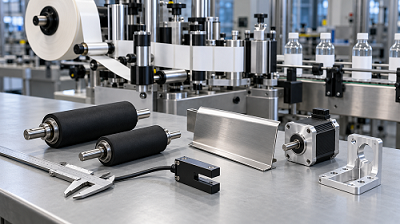
How to Choose the Right Labeling Machine Spare Parts?
Labeling machines play an important role in modern packaging and manufacturing operations. From automatic bottle labeling systems to industrial packaging lines, these machines rely on multiple components to ensure accurate label positioning, stable operation, and consistent production output.
Choosing the right Labeling Machine Spare Parts is essential for maintaining equipment performance and reducing unexpected downtime. However, different labeling machines may use different component designs, dimensions, and technical specifications. For equipment manufacturers, maintenance teams, and industrial buyers, understanding how to evaluate labeling machine replacement parts can help avoid compatibility issues and unnecessary maintenance costs.
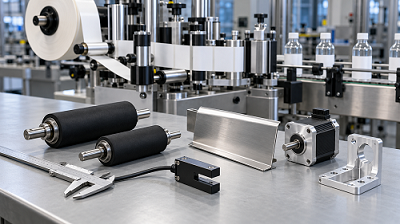
1. Identify the Type and Model of Your Labeling Machine
The first step in selecting suitable labeling machine spare parts is identifying the machine type and model. Different labeling systems have different mechanical structures and component requirements.
Common types of labeling machines include:
Automatic bottle labeling machines: Used for applying labels to bottles and containers in beverage, cosmetic, pharmaceutical, and chemical packaging lines.
Wrap-around labeling machines: Designed to apply labels around cylindrical containers.
Front and back labeling machines: Apply labels to one or both sides of containers or products.
Top labeling machines: Apply labels to the upper surfaces of boxes, packages, and other products.
Industrial labeling systems: Integrated into automated production and packaging lines for continuous labeling operations.
Before ordering labeling machine parts, provide the equipment manufacturer, model number, machine serial number, and existing component information whenever available. These details help suppliers identify compatible replacement components.
2. Understand the Function of Different Labeling Machine Spare Parts
Labeling machines consist of mechanical, electrical, and control components. Each part performs a specific function, and its condition can affect overall labeling performance.
| Spare Part | Main Function | Key Selection Considerations |
|---|---|---|
| Labeling Head | Supports label application and positioning | Machine compatibility, dimensions, and adjustment range |
| Labeling Sensor | Detects labels, gaps, or product positions | Detection type, response, and electrical specifications |
| Roller | Guides, presses, or feeds labels and products | Material, diameter, hardness, and surface finish |
| Conveyor Belt | Transfers products through the labeling station | Dimensions, material, load, and speed requirements |
| Peel Plate | Separates labels from the backing paper | Shape, thickness, edge condition, and compatibility |
| Motor and Drive Components | Provide motion and control for machine mechanisms | Power, speed, voltage, and mounting specifications |
| Control Board | Manages machine signals and operating functions | Model compatibility, interface, and electrical parameters |
When sourcing labeling machine components, buyers should identify the specific part that needs replacement instead of selecting components based only on their general names.
3. Check Dimensions and Technical Specifications
Dimensional accuracy is especially important when purchasing mechanical labeling machine replacement parts. Even small differences in dimensions, mounting positions, or connection structures may affect installation and machine operation.
Before confirming an order, check the following information:
Overall length, width, and height
Inner and outer diameters for rollers, shafts, and rotating parts
Mounting hole positions and connection dimensions
Material type and surface treatment
Required tolerances and machining accuracy
Electrical ratings and connection details for electrical components
For custom labeling machine parts, technical drawings, sample components, or detailed measurements can help manufacturers evaluate production feasibility and confirm specifications before manufacturing.
4. Select Suitable Materials for Different Applications
The material of a labeling machine spare part affects its durability, wear resistance, operating stability, and suitability for the working environment. Material selection should be based on the component's function and operating conditions.
Stainless Steel Components
Stainless steel parts are commonly used in industrial equipment where corrosion resistance, mechanical strength, and cleanability are important. They may be suitable for certain machine frames, brackets, shafts, and structural components.
Aluminum Components
Aluminum is used for various machine housings, brackets, supports, and precision-machined components. Its relatively low weight and machinability make it useful for equipment structures and moving assemblies.
Rubber and Polyurethane Components
Rubber and polyurethane are commonly used for rollers, belts, pads, and other parts that require friction, flexibility, or surface contact. The appropriate hardness and material properties depend on the specific application.
Plastic Engineering Components
Engineering plastics may be used for guides, gears, housings, and other components requiring specific wear, friction, or insulation properties. The selected material should match the mechanical load and operating environment.
5. Consider Compatibility with the Existing Machine
Compatibility is one of the most important factors when purchasing labeling machine spare parts. A component may have a similar appearance to the original part but still differ in mounting structure, dimensions, electrical connections, or operating characteristics.
To reduce compatibility risks, buyers should:
Confirm the original part number whenever possible.
Provide machine model and manufacturer information.
Compare technical drawings and installation dimensions.
Check electrical connections for sensors, motors, and control components.
Confirm whether the replacement part requires machine adjustments.
Request a sample or technical confirmation before bulk purchasing when necessary.
For older or discontinued labeling equipment, custom replacement parts may be an option when original components are no longer available. In this case, detailed measurements and sample inspection are particularly important.
6. Evaluate Manufacturing Quality and Precision
The manufacturing quality of labeling machine components can directly influence equipment stability and service life. Buyers should evaluate suppliers based on their production capabilities and quality control procedures.
Important quality factors include:
Dimensional accuracy: Components should meet the specified dimensions and tolerances.
Material consistency: Materials should match the agreed technical specifications.
Surface finish: Contact surfaces and machined areas should meet application requirements.
Assembly compatibility: Parts should fit the intended installation structure.
Inspection procedures: Suppliers should have suitable inspection methods for verifying product quality.
For precision labeling machine parts, buyers can request inspection reports, material information, samples, or other relevant quality documents before confirming larger orders.
7. Choose Between Original, Compatible, and Custom Spare Parts
Industrial buyers generally have several options when sourcing labeling machine replacement parts. The right choice depends on machine requirements, budget, availability, and production conditions.
| Part Type | Advantages | Considerations |
|---|---|---|
| Original Spare Parts | Designed for the corresponding machine model | Availability, delivery time, and purchasing cost |
| Compatible Spare Parts | May provide additional sourcing options | Dimensions and technical compatibility must be verified |
| Custom Spare Parts | Can be manufactured according to drawings or samples | Requires clear specifications and sample approval |
OEM labeling machine spare parts and custom-machined components can be useful for equipment manufacturers and businesses maintaining specialized or older labeling systems. Before purchasing, confirm that the supplier can meet the required technical specifications.
8. How to Find a Reliable Labeling Machine Spare Parts Supplier
Choosing a suitable supplier is just as important as selecting the right component. A reliable labeling machine spare parts manufacturer should be able to understand technical requirements, provide accurate product information, and maintain consistent manufacturing quality.
Consider the following factors when evaluating potential suppliers:
Manufacturing capabilities: Check whether the supplier has suitable machining, fabrication, or component production capabilities.
Customization services: Confirm whether they can manufacture OEM labeling machine parts according to drawings or samples.
Quality control: Ask about dimensional inspection, material verification, and production quality management.
Technical communication: Evaluate how effectively the supplier handles drawings, specifications, and compatibility questions.
Order flexibility: Check minimum order quantities, sample availability, and batch production options.
Delivery and support: Confirm lead times, packaging methods, spare parts availability, and after-sales support.
9. Information to Prepare Before Requesting a Quotation
Providing complete information helps suppliers identify suitable components and prepare more accurate quotations. For standard or custom labeling machine spare parts, buyers should prepare:
Labeling machine brand, model, and serial number
Spare part name and original part number, if available
Technical drawings or clear product photographs
Dimensions, tolerances, and material requirements
Required quantity and estimated annual demand
Application environment and operating conditions
Special requirements for surface treatment or customization
Expected delivery schedule
Frequently Asked Questions
How do I know which labeling machine spare parts I need?
Start by identifying the machine model and the component that needs replacement. Check the original part number, technical drawings, dimensions, and operating requirements. If the information is incomplete, provide photographs or a physical sample to a qualified supplier for evaluation.
Can labeling machine spare parts be customized?
Yes. Many mechanical components can be manufactured according to technical drawings, samples, or specified dimensions. Custom labeling machine parts are particularly useful for special equipment configurations or older machines with limited original spare parts availability.
How often should labeling machine parts be replaced?
Replacement intervals depend on component type, operating hours, production volume, material quality, and working conditions. Regular inspection can help identify wear, damage, or performance changes before they lead to unexpected equipment downtime.
Are compatible labeling machine spare parts reliable?
Compatible parts can be suitable alternatives when their dimensions, materials, technical specifications, and operating characteristics meet the requirements of the machine. Buyers should verify compatibility and inspect samples before placing large orders.
What information should I provide when ordering custom labeling machine parts?
Provide technical drawings, dimensions, material requirements, tolerances, photographs or physical samples, required quantities, and application details. More complete information helps the manufacturer evaluate feasibility and reduce production errors.
Choosing the right labeling machine spare parts requires careful consideration of machine compatibility, technical specifications, materials, manufacturing quality, and supplier capabilities. Whether you need standard replacement components or custom OEM labeling machine parts, clearly defining your requirements is essential for successful sourcing.
By working with a qualified labeling machine parts manufacturer, equipment builders, packaging companies, and maintenance teams can improve spare parts procurement and support stable machine operation.