
How to Choose the Right Video Measuring Machine Parts
Choosing the right Video Measuring Machine Parts is essential for equipment maintenance, replacement, and long-term operation. For industrial distributors, metrology equipment suppliers, and manufacturers, the main challenge is finding components that match the original machine's mechanical structure, optical configuration, electrical interfaces, and control system.
VMM spare parts can include manual zoom lenses, industrial cameras, illumination Controllers, glass stages, linear scales, Servo Motors, motion controllers, and electronic cards. Rather than selecting parts by name or appearance alone, buyers should compare technical specifications, compatibility, quality requirements, and supply conditions before placing an order.
1. Identify the Machine Model and Original Part
The first step is to identify the video measuring machine and the component that needs replacement. Even parts serving the same function may have different dimensions, interfaces, or specifications across machine models.
Before contacting a supplier, prepare the following information where available:
VMM manufacturer, model, and machine version
Original part name, part number, or identification label
Photographs showing the component and its installation position
Technical drawings or measured dimensions
Known operating problems and the reason for replacement
For older machines or components without a readable part number, clear photographs, dimensions, connector details, and application information can help the supplier evaluate potential replacements.
2. Check Compatibility with the Existing System
Compatibility is one of the most important considerations when purchasing VMM spare parts. A component may meet the general functional requirements but still fail to work with the existing machine because of differences in mounting dimensions, electrical interfaces, communication protocols, or software support.
Mechanical Compatibility
For glass stages, rotary stages, hinges, drive belts, and handwheels, confirm the installation dimensions, mounting holes, shaft sizes, travel range, and other relevant mechanical details. A replacement should fit the original assembly without requiring unplanned modifications.
Optical Compatibility
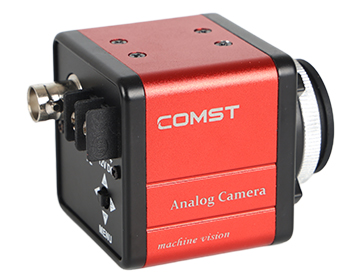
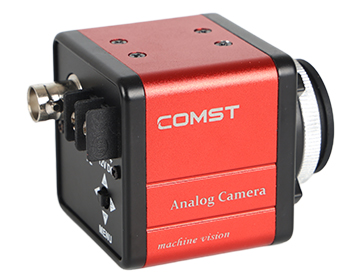
For manual zoom lenses and cameras, check the optical interface, magnification range, working distance, sensor format, mounting arrangement, and required field of view. A lens or camera that is incompatible with the existing optical system may affect image quality or the usable measurement range.
Electrical and Control Compatibility
For illumination controllers, Servo Motors, AC servo drives, motion controllers, control cards, and communication cards, verify voltage, current, signal type, connector configuration, communication protocol, and software or driver requirements.
When sourcing a Lianying motion controller or an industrial camera from Muteng or HIKROBOT, confirm the exact model and system requirements instead of relying on the brand name alone.
3. Match the Required Accuracy and Specifications
Different VMM applications have different measurement requirements. Buyers should identify the specifications that directly affect the intended task rather than choosing a component based only on price.
Linear scale (grating scale): Check measuring length, resolution, signal output, mounting dimensions, and compatibility with the readout or motion control system.
Manual zoom lens: Confirm magnification range, optical interface, working distance, and required image coverage.
Industrial camera or CCD: Compare resolution, sensor specifications, interface, frame rate requirements, and software compatibility.
Glass stage: Verify dimensions, thickness, surface quality, flatness requirements, and load conditions.
Calibration block: Confirm the reference dimensions, specified tolerance, material, and required calibration documentation.
Probe kit: Check probe type, mounting interface, connection method, and suitability for the intended measurement task.
Where measurement performance is critical, request the relevant technical documentation and inspection results. Avoid assuming that a component with similar nominal specifications will automatically deliver the same performance in a different machine configuration.
4. Select the Right Illumination Components
Illumination affects the contrast and visibility of workpiece edges, which can influence image-based measurement. The right lighting configuration depends on the part's shape, surface finish, transparency, and inspection requirements.
Transmitted Illumination
Transmitted illumination is commonly used to inspect silhouettes and outlines. It can be suitable for measuring external profiles, hole diameters, and other features that are clearly defined against a bright background.
Surface Illumination
Surface illumination directs light onto the workpiece surface and can help reveal surface details, edges, and markings. It may be more appropriate for opaque parts or inspection tasks where surface features are important.
Illumination Controller
When replacing an illumination controller, check the number of output channels, supported lighting types, voltage and current ratings, connectors, and control interface. The controller must match both the lighting hardware and the machine's control configuration.
5. Evaluate Motion and Positioning Components
Motion components affect how the machine positions the workpiece or optical assembly during inspection. Before ordering replacement components, identify the specific motion function and confirm how the part interacts with the existing control system.
Servo Motor and AC Servo Drive
Servo motors and AC servo drives should be evaluated as a compatible system. Compare rated power, voltage, encoder feedback, communication method, control mode, and mounting dimensions. Replacing only one component without checking the other can create compatibility problems.
Motion Controller
A motion controller coordinates movement and control signals across supported axes. Buyers should verify the supported axes, communication interfaces, compatible drives, I/O requirements, and software configuration before selecting a replacement.
Linear Scale and Drive Belt
A linear scale provides position feedback, while a drive belt transmits mechanical motion. For a linear scale, focus on measuring length, resolution, signal compatibility, and installation. For a drive belt, confirm belt length, width, tooth profile, material, and tension requirements.
X/Y-Axis and Z-Axis Handwheels
Manual handwheels should match the relevant axis assembly, shaft dimensions, mounting interface, and required adjustment range. Confirm whether the replacement is intended for horizontal positioning or vertical adjustment before ordering.
6. Consider Standard Parts and Custom Components
Some video measuring machine replacement parts can be sourced as standard components, while others may require a model-specific or custom solution. The choice depends on availability, compatibility, technical requirements, and the condition of the original part.
When Standard Parts Are Suitable
Standard components may be appropriate when their specifications and interfaces match the existing machine. They can simplify repeat purchasing and help maintenance teams replace commonly used items without unnecessary redesign.
When Custom Parts May Be Required
Custom components may be worth considering when a part is discontinued, difficult to identify, or designed for a specific machine configuration. Depending on the component, the supplier may need a drawing, sample, dimensions, material requirements, interface details, or photographs of the original assembly.
For custom VMM components, clarify the inspection requirements and acceptance criteria before production. This is particularly important for optical parts, precision stages, and components that interface with electronic control systems.
7. Compare Supplier Quality and Inspection Capabilities
For B2B buyers, a suitable supplier should be able to explain the product specifications, confirm compatibility requirements, and provide appropriate quality information. Price alone does not show whether a replacement part is suitable for precision measuring equipment.
When evaluating a video measuring machine parts supplier, consider the following points:
Technical support: Can the supplier review drawings, model numbers, or photographs to help identify the required component?
Quality inspection: Are relevant dimensional checks, functional tests, or electrical tests available for the component type?
Documentation: Can the supplier provide technical specifications, inspection records, or other requested documents where applicable?
Batch consistency: Can repeat orders be supplied according to agreed specifications and acceptance criteria?
Product identification: Are part numbers, labels, or product records available to help buyers manage future replacements?
Packaging: Are suitable protective packaging methods available for optical, glass, and other precision components?
Inspection requirements should be appropriate to the product. For example, a glass stage may require dimensional and surface checks, while a control card may require interface verification or functional testing.
8. Compare Lead Time, MOQ, and Total Procurement Cost
Purchasing teams should evaluate the total procurement cost rather than comparing unit prices alone. A lower-priced component may create additional costs if it requires modification, repeated testing, or an extended installation process.
Before confirming an order, clarify:
Unit price and any tooling or setup charges
Minimum order quantity and repeat-order pricing
Sample availability and sample lead time
Production lead time and delivery schedule
Inspection documentation and acceptance procedures
Packaging requirements for precision or fragile components
Warranty terms and after-sales arrangements
For maintenance teams, lead time and replacement availability may be especially important because machine downtime can affect production schedules. For distributors and equipment suppliers, consistent specifications and repeat-order support may be more important than a one-time price advantage.
9. Prepare a Clear RFQ for VMM Parts
A complete request for quotation (RFQ) helps suppliers assess the requirements and reduces unnecessary clarification during the purchasing process. Include as much of the following information as possible:
Product name: For example, manual zoom lens, illumination controller, glass stage, linear scale, servo motor, or industrial camera.
Machine details: Manufacturer, model, version, and relevant assembly information.
Technical information: Dimensions, electrical ratings, optical parameters, interfaces, or drawings, as applicable.
Quantity: Required sample quantity, trial order quantity, and estimated repeat demand if known.
Quality requirements: Applicable tolerances, functional tests, documentation, and acceptance criteria.
Delivery requirements: Destination, required delivery date, and packaging needs.
If the original part is difficult to identify, send photographs of the component label, connectors, mounting points, and installed position. This information can help the supplier determine what additional specifications are needed.
Frequently Asked Questions
How do I find compatible video measuring machine parts?
Start with the machine model and original part number. Then verify the component's dimensions, mounting interface, optical or electrical specifications, and compatibility with the existing control system. If the part number is unavailable, provide clear photographs and technical details for assessment.
Can I use a different brand of industrial camera in my VMM?
Possibly, but brand substitution requires compatibility checks. Review the sensor specifications, interface, mounting dimensions, supported drivers, image acquisition hardware, and measurement software before replacing the original camera with another model.
How do I choose between transmitted and surface illumination?
Transmitted illumination is generally used for silhouettes and outlines, while surface illumination is used to highlight features on the workpiece surface. The suitable option depends on the material, geometry, surface finish, and measurement objective. Some applications may require both lighting methods.
What information is needed for custom VMM spare parts?
Provide the original part number if available, machine model, technical drawing or sample, key dimensions, material requirements, interface details, quantity, and inspection criteria. Additional information may be needed for optical or electronic components.
What should distributors consider when purchasing VMM parts in bulk?
Distributors should assess specification consistency, minimum order quantity, stock availability, repeat-order lead time, packaging, documentation, and supplier responsiveness. Confirming part identification and agreed acceptance criteria can also help simplify future procurement.
Request a Quote for Video Measuring Machine Parts
Finding the right VMM parts starts with clear technical requirements and reliable compatibility checks. Whether you need a manual zoom lens, industrial camera, illumination component, linear scale, servo system, glass stage, or electronic control component, providing accurate machine and part information helps streamline sourcing.
Send us your required part names, machine model, quantity, and available specifications to discuss suitable components, sample requirements, and supply arrangements for your business.