
What CMM Parts Are Commonly Replaced?
Coordinate measuring machines (CMMs) are used for dimensional inspection and quality control in precision manufacturing. To maintain reliable operation, some components require periodic replacement due to wear, accidental damage, contamination, or changes in inspection requirements. Knowing which CMM Parts are commonly replaced helps quality control teams plan maintenance, reduce unnecessary downtime, and keep compatible spare parts available.
Replacement frequency depends on machine design, operating conditions, measurement workload, maintenance practices, and the type of component. Not every part follows a fixed replacement schedule, so users should inspect components regularly and follow the equipment manufacturer's recommendations.
1. CMM Styli
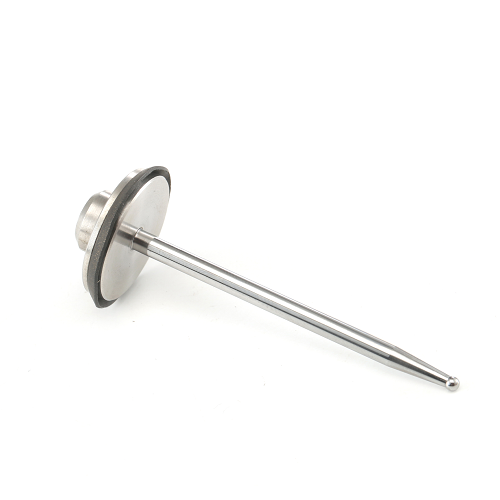
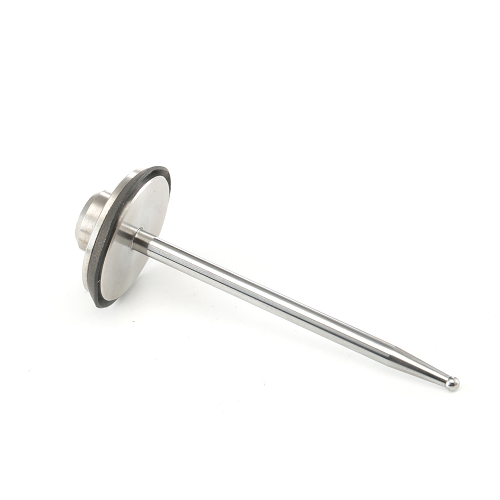
CMM styli are among the most frequently replaced probing accessories. The stylus provides the contact point used to collect measurement data, and its tip or stem may become damaged through accidental contact, improper handling, contamination, or wear.
Common stylus types include straight styli, star styli, extension styli, and disk styli. The appropriate replacement depends on the required measurement geometry and the existing Probe System.
Before ordering a replacement stylus, check:
Mounting thread and connection type.
Tip diameter and tip material.
Stem length and material.
Required access to the workpiece features.
Compatibility with the existing probe and measurement application.
A stylus that is bent, chipped, loose, or otherwise damaged should be assessed before further use. After replacing a stylus, perform the required qualification or calibration procedure according to the CMM manufacturer's instructions.
2. CMM Probe Accessories and Extensions
Probe accessories, including extension bars, adapters, joints, and mounting components, help configure the probing system for different measurement tasks. These parts may need replacement if threads are damaged, connections become unreliable, or components are lost or accidentally damaged.
Extensions can help the probe reach recessed features, but the added length and configuration may affect the probing system's stiffness and measurement behavior. Users should select an appropriate extension and follow the probe manufacturer's limits and qualification procedures.
When sourcing replacement accessories, verify the connection interface, dimensions, load limitations, and compatibility with the existing probe head or sensor.
3. Probe Heads and Probe Modules
Probe heads and probe modules may require replacement or service if they develop a fault, suffer damage, or no longer meet the application's requirements. Unlike routine stylus replacement, replacing these components can involve system-specific compatibility checks and setup procedures.
Before purchasing a replacement, identify the exact model and interface. Check whether the issue is caused by the probe head, the probe module, the connection, or another part of the measurement system. Diagnosis by qualified service personnel may be necessary for electronic or complex probing systems.
4. CMM Fixtures and Clamping Components
CMM fixtures hold workpieces in position during inspection. Fixture components such as clamps, supports, locating pins, and modular holding elements may be replaced when they become damaged, worn, loose, or unsuitable for a new workpiece.
Replacing a damaged fixture component helps maintain a stable setup and reduces the risk of workpiece movement during measurement. The replacement should provide suitable contact points and holding force without deforming the workpiece or obstructing important features.
For production environments inspecting multiple component types, modular CMM fixtures can make it easier to reconfigure workholding setups as requirements change.
5. Mechanical Components and Motion System Parts
Depending on the CMM design and service history, mechanical components such as bearings, drive components, guideway-related parts, or other machine-specific elements may require repair or replacement. These parts are generally not replaced as frequently as consumable probing accessories and may require professional diagnosis.
Potential warning signs include unusual movement, abnormal noise, inconsistent positioning, or a change in machine performance. These symptoms do not necessarily indicate a specific failed part. Inspection and diagnosis should be carried out according to the manufacturer's maintenance procedures.
Because mechanical components can be model-specific, verify the machine model, part number, dimensions, and service requirements before sourcing replacements.
6. Cables, Connectors, and Electrical Components
Some CMM systems use cables, connectors, and electronic components to transmit probe signals, position data, or control information. These components may need replacement if they are damaged, have loose connections, or fail diagnostic checks.
Intermittent signals or communication problems can have multiple causes, including cable damage, connector issues, configuration errors, or faults elsewhere in the system. Check the relevant connections and diagnostic information before assuming a component must be replaced.
For electronic spare parts, compatibility with the controller, probe system, and machine generation is particularly important.
7. Protective and Supporting Accessories
Other accessories, such as protective covers, mounting hardware, fixture plates, and storage components, may be replaced when damaged or when inspection requirements change. Although these items may not directly collect measurement data, their condition can influence equipment protection, setup efficiency, and daily operation.
Users should distinguish between routine accessory replacement and repairs that affect the calibrated measurement system. Any work that could affect machine geometry or measurement performance should be followed by the appropriate checks.
Why Do CMM Parts Need Replacement?
Wear and Physical Damage
Repeated use, accidental collisions, damaged threads, and improper handling can affect the condition of probing accessories and mechanical components. Regular visual inspection helps identify visible damage before it disrupts measurement work.
Changing Inspection Requirements
A new workpiece or inspection routine may require a different stylus length, tip diameter, probe configuration, or fixture arrangement. In these cases, replacement or additional accessories may be needed even when the existing components are still serviceable.
Compatibility or System Upgrades
When a CMM system is upgraded or reconfigured, certain accessories or electronic components may need to be changed. Confirm the supported interfaces and specifications before ordering parts for an older or updated machine.
Maintenance and Reliability
Planned maintenance can help identify components that need attention. However, replacement intervals should be based on the manufacturer's recommendations, actual component condition, and usage rather than a universal schedule.
How to Choose the Right CMM Replacement Parts
Identify the machine: Record the CMM brand, model, and relevant system version.
Confirm the part: Use the original part number, technical drawing, or verified specifications when available.
Check compatibility: Confirm the interface and suitability for the probe, controller, or mechanical assembly.
Compare technical specifications: Review dimensions, materials, thread types, and applicable performance requirements.
Assess availability: Check stock, lead time, and the availability of related accessories or spare components.
Request technical support: Consult a qualified supplier or service provider if the part is difficult to identify or requires system-specific installation.
How Can Manufacturers Reduce CMM Downtime?
Maintaining a practical inventory of frequently used accessories can help inspection teams respond more quickly when a component is damaged or an inspection setup changes. Commonly used styli, adapters, extensions, and fixture components may be worth keeping in stock, depending on actual usage.
It is also helpful to maintain records of part numbers, machine models, replacement dates, and qualification results. These records make it easier to identify compatible components and support consistent maintenance practices.
Frequently Asked Questions
Which CMM parts are replaced most frequently?
Styli and certain probe accessories are commonly replaced because they can be damaged during handling or need to be changed for different measurement tasks. Fixture components and other parts may also require replacement depending on usage and condition.
How often should CMM parts be replaced?
There is no universal replacement interval for all CMM parts. Follow the manufacturer's recommendations and inspect components based on workload, operating conditions, and observed wear or damage.
Are CMM replacement parts interchangeable between brands?
Some accessories may be compatible across different systems when their interfaces and specifications match, but interchangeability should never be assumed based on appearance alone. Verify the part number, thread, dimensions, and system requirements before ordering.
Do replacement styli require recalibration?
After installing a new stylus, the probing system typically needs the appropriate stylus qualification or calibration procedure. Follow the instructions for the specific CMM and probe system before using the new configuration for inspection.
What information should I provide when ordering CMM Spare Parts?
Provide the machine brand and model, the existing part number if available, relevant dimensions or connection details, and the intended application. Photos or technical drawings can also help a supplier identify the correct component.
Conclusion
Commonly replaced CMM parts include styli, probe accessories, selected probe components, fixture elements, cables, connectors, and certain machine-specific mechanical parts. Their replacement needs vary according to usage, operating conditions, and inspection requirements.
By identifying the correct component, checking compatibility, and following suitable maintenance procedures, manufacturers can help maintain reliable measurement operations and reduce avoidable downtime. When sourcing CMM replacement parts, work with a supplier that can provide clear specifications, component identification support, and dependable availability.